 Yun Hai 88 Trading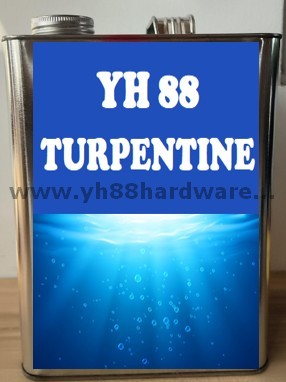
| YH 88 TURPENTINE | |
| SIZE | 2KG, 10KG |
Introduction
Turpentine, commonly known as "spirit of turpentine" or "wood turpentine," is a fluid obtained through the distillation of resin from live trees, primarily pines. It has been used for centuries in various applications, from medicine and industry to art and household cleaning. However, despite its versatility, turpentine can be hazardous if not handled properly. This article explores the uses, benefits, and safety precautions of turpentine.
1. What Is Turpentine?
Turpentine is a volatile essential oil derived from the resin of coniferous trees, mainly pine. It is composed mainly of terpenes, with alpha-pinene and beta-pinene being the primary components. There are different types of turpentine, including:
- Gum turpentine: Extracted directly from tree resin.
- Wood turpentine: Produced by distilling wood chips and stumps.
- Sulfate turpentine: A byproduct of the papermaking process (kraft process).
2. Common Uses of Turpentine
A. Industrial and Household Applications
- Solvent in Paints and Varnishes – Turpentine is widely used as a thinner and cleaner for oil-based paints, varnishes, and adhesives.
- Cleaning Agent – It effectively removes grease, tar, and wax from surfaces.
- Manufacturing Industry – Used in the production of synthetic pine oil, camphor, and fragrances.
B. Artistic Uses
Artists have traditionally used turpentine to:
- Thin oil paints.
- Clean brushes.
- Enhance drying time of oil-based artworks.
C. Medicinal and Alternative Remedies
Historically, turpentine was used in folk medicine for:
- Topical applications: As a liniment for muscle and joint pain.
- Internal use (Caution: Not Recommended Without Professional Advice): Some old remedies suggested turpentine for treating parasitic infections, but this is highly risky and not supported by modern medicine due to toxicity.
3. Safety Considerations
While turpentine has beneficial uses, it poses several health risks if mishandled:
- Toxicity: Inhalation or ingestion can lead to nausea, dizziness, kidney damage, and even death.
- Skin Irritation: Direct contact may cause dermatitis or chemical burns.
- Flammability: Turpentine is highly flammable and should be stored away from heat sources.
Safety Tips When Using Turpentine
- Always work in a well-ventilated area.
- Wear gloves and protective eyewear.
- Keep away from children and pets.
- Never ingest or apply undiluted turpentine to the skin.
- Store in a cool, dry place away from open flames.
4. Modern Alternatives to Turpentine
Due to its toxicity, many industries and artists now prefer safer alternatives, such as:
- Mineral spirits (less toxic solvent for paints).
- Citrus-based solvents (eco-friendly and gentler on health).
Conclusion
Turpentine remains a valuable substance with multiple industrial, artistic, and (historically) medicinal uses. However, its potential health hazards require careful handling. As safer alternatives become more accessible, users should weigh the benefits against the risks and prioritize safety in all applications.