 Yun Hai 88 Trading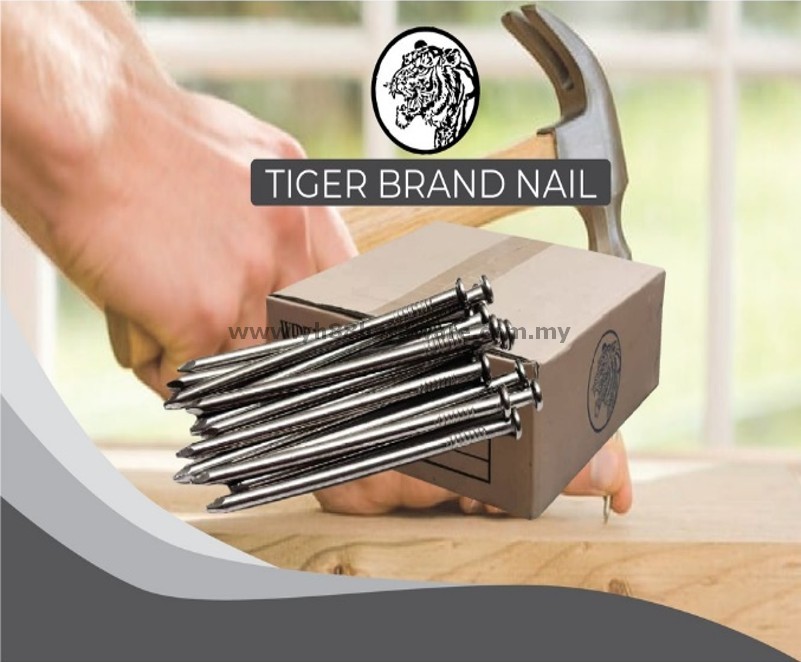
| TIGER WIRE NAILS | |
| SIZE | 1", 1 1/2", 2", 2 1/2", 3", 3 1/2", 4" |
The Unsung Hero of Your Home: A Deep Dive into the Humble Tiger Wire Nail
Walk into any hardware store, and you’ll be greeted by aisles of high-tech gadgets, power tools that promise to revolutionize your DIY game, and fasteners of every conceivable shape and size. But tucked away in a simple cardboard box, often overlooked, is the true workhorse of construction and craftsmanship: the wire nail.
We’ve all used them. We’ve all bent a few. But how often do we stop to appreciate the sheer engineering and versatility packed into a single piece of shaped steel? Today, we’re giving the wire nail its well-deserved moment in the spotlight.
What Exactly Is a Wire Nail?
It sounds simple, and that’s because it is. A wire nail is a fastener crafted from a drawn steel wire. The process is brilliantly efficient: a coil of wire is fed into a machine that straightens it, cuts it to a specific length, and then forms one end into a sharp point and the other into a flat head. This straightforward design is the key to its enduring success.
The term "wire nail" actually distinguishes it from older forging methods. Centuries ago, nails were hand-forged by blacksmiths, making them expensive and irregular. The wire nail, mass-produced from the late 19th century onward, democratized construction. It made building homes, furniture, and infrastructure faster, cheaper, and more accessible to all.
More Than Meets the Eye: A Guide to Common Types
Not all wire nails are created equal. Their shape, size, and coating are carefully tailored for specific jobs. Here’s a quick guide to the family of wire nails you might encounter:
- Common Nails: The classic. Thick shank, diamond point, flat head. These are your go-to for heavy-duty framing work where holding power is paramount. Their rugged design is meant to be hidden within walls.
- Box Nails: Similar to common nails but with a thinner shank. This reduces the chance of splitting wood, making them ideal for lighter framing and attaching plywood sheathing.
- Finishing Nails: The aesthetic choice. These have a small, barrel-shaped head that can be driven slightly below the wood surface (countersunk) and hidden with wood filler. Perfect for trim, molding, and cabinetry where you want a clean, nail-free look.
- Brad Nails: Essentially a thinner, shorter version of a finishing nail. They are most commonly used in pneumatic nail guns for delicate trim work, small craft projects, and attaching thin materials.
- Roofing Nails: Instantly recognizable by their wide, flat heads. This large head provides a secure hold for asphalt shingles, felt paper, and other roofing materials, preventing them from tearing free in high winds. They often have a galvanized coating to resist weather corrosion.
Choosing the Right Nail for the Job
Picking the correct nail is crucial for a project's strength and longevity. Follow these two simple rules:
- Length: A good rule of thumb is that the nail should be three times longer than the thickness of the material you are attaching. For example, to attach a 1-inch thick board to a stud, a 3-inch nail is ideal. This ensures at least 2 inches of the nail is embedded in the supporting frame for a strong hold.
- Coating: Environment matters.
- Bright (Uncoated): For interior, dry projects only. They will rust quickly if exposed to moisture.
- Galvanized: Coated with zinc to resist rust and corrosion. Essential for outdoor projects, decks, and fencing. You’ll find both electro-galvanized (smooth, shiny finish) and hot-dipped galvanized (rougher, thicker coating for maximum protection).
A Tip from the Pros: How to Avoid the Dreaded Bend
We’ve all been there—a perfectly good swing results in a frustratingly bent nail. It’s often not your hammering technique (though practice helps!), but the nail itself.
- Use the right size hammer: A heavier hammer (16-20 oz) for large nails and a lighter one for finishing nails provides better control and transfers energy more efficiently.
- Hold the hammer correctly: Grip near the end of the handle for maximum swing force, not up near the head.
- Start straight: Hold the nail straight and tap it gently to set it in the wood before beginning your full swings.
- The final word: If a nail bends, don’t keep hammering it! Pull it out with your hammer’s claw or a pry bar and use a fresh one. A bent nail weakens the hold and often won’t drive in straight no matter how hard you try.
The Foundation of Modern Life
From the frame of your house that keeps you safe and warm to the picture frame hanging on the wall, wire nails are the invisible glue that holds our physical world together. They are a testament to the idea that the simplest solutions are often the most brilliant and enduring.
So next time you pick up a box of these humble fasteners, take a second to appreciate the centuries of innovation and sheer utility held in your hand. The mighty wire nail truly is an unsung hero.